Nelson Brown > News and Events > Nd YAG Laser Hair Removal > How to prepare for laser hair removal
 

How to prepare for laser hair removal

22 Feb 2023 | Nd YAG Laser Hair Removal
Blog Filters


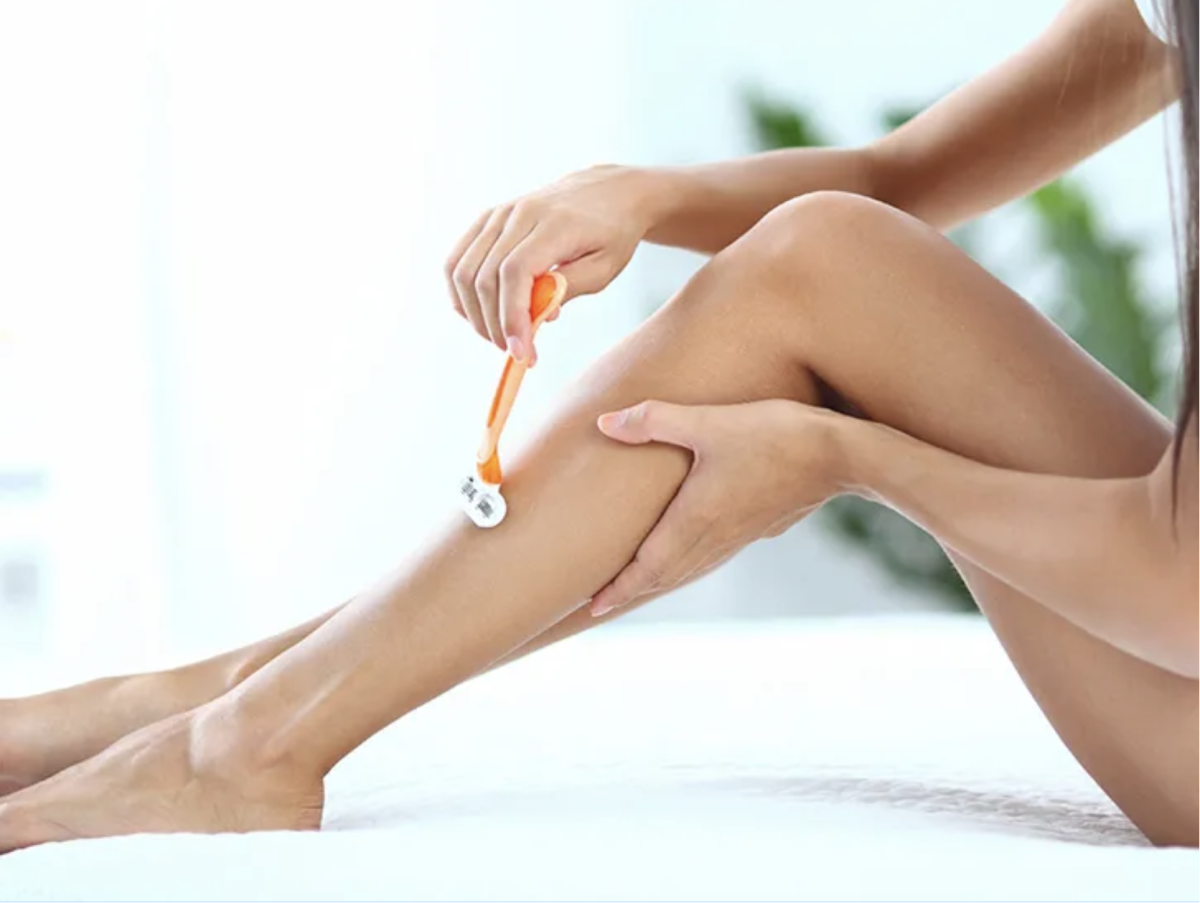
During your Consultation, you will be asked when you last waxed or plucked the area you are looking to be treated. This is so we can determine when your first treatment of Laser can begin. Shaving is not an issue but if you have been waxing the area, it would be wise to wait for a few weeks to allow the follicle to settle before booking in for your first appointment. As the Laser targets the follicle and waxing (or plucking) removes the hair bulb, there is nothing for the Laser to destroy if its already be pulled out. You will also be advised not to return to waxing in order to maximise your results.

Ideally you should shave the area 24hrs before your appointment and arrive with clean skin. Wear something comfortable for example, a vest top for underarm treatments and light coloured underwear if you are having a bikini area session.

The area will then be cleansed and cooled prior to Laser Treatment.

Aloe Vera Gel will then be applied post treatment to cool and calm the skin. We would strongly advise against doing anything that raises your body temperature for the next 24hrs such as saunas, hot tubs, gym work outs etc. and sunscreen should be applied to protect your skin.

BOOK FREE CONSULTATION

This website uses cookies
This site uses cookies to enhance your browsing experience. We use necessary cookies to make sure that our website works. We’d also like to set analytics cookies that help us make improvements by measuring how you use the site. By clicking “Allow All”, you agree to the storing of cookies on your device to enhance site navigation, analyse site usage, and assist in our marketing efforts.
These cookies are required for basic functionalities such as accessing secure areas of the website, remembering previous actions and facilitating the proper display of the website. Necessary cookies are often exempt from requiring user consent as they do not collect personal data and are crucial for the website to perform its core functions.
A “preferences” cookie is used to remember user preferences and settings on a website. These cookies enhance the user experience by allowing the website to remember choices such as language preferences, font size, layout customization, and other similar settings. Preference cookies are not strictly necessary for the basic functioning of the website but contribute to a more personalised and convenient browsing experience for users.
A “statistics” cookie typically refers to cookies that are used to collect anonymous data about how visitors interact with a website. These cookies help website owners understand how users navigate their site, which pages are most frequently visited, how long users spend on each page, and similar metrics. The data collected by statistics cookies is aggregated and anonymized, meaning it does not contain personally identifiable information (PII).
Marketing cookies are used to track user behaviour across websites, allowing advertisers to deliver targeted advertisements based on the user’s interests and preferences. These cookies collect data such as browsing history and interactions with ads to create user profiles. While essential for effective online advertising, obtaining user consent is crucial to comply with privacy regulations.